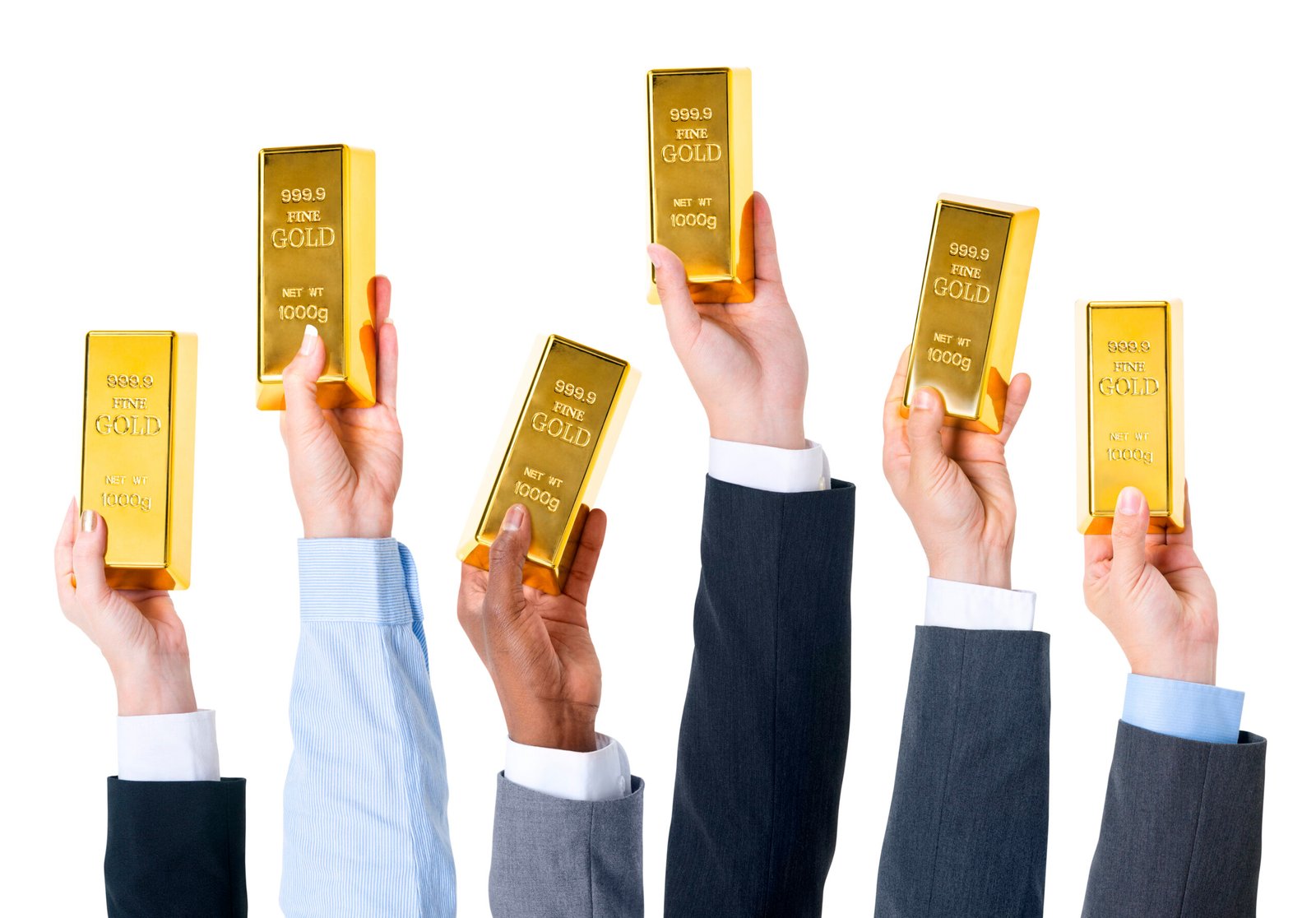
For most of this year the story in metals was about the metal, not the people who dig it out of the ground. Gold ran to a record near $5,600 an ounce back in January. Silver went vertical. Copper punched through highs almost nobody had penciled in. And the mining stocks that are supposed to ride all of that mostly sat on their hands, lagging the very commodities they produce. Then came one Friday in early August, one soft jobs number, and the whole picture flipped in a matter of hours. The benchmark gold miner funds jumped more than 20 percent in a single week. For anyone who had spent months wondering why the shovels were not keeping up with the shine, the answer showed up all at once.
What actually happened
On August 7 the Labor Department reported that the US economy shed 23,000 jobs in July, against forecasts for a gain of roughly 80,000. That was the first monthly payroll contraction since February, and the revisions underneath it were arguably worse than the headline. June was cut to a gain of just 20,000 and May to 63,000, dragging the twelve-month average down to about 34,000 jobs a month. The unemployment rate actually ticked down to 4.1 percent, but for the wrong reason. Labor-force participation slipped to 61.4 percent, its lowest in more than five years. When people stop looking for work, a lower jobless rate is cold comfort.
Markets did what markets do, which is reprice in minutes. All summer the dominant worry had been a hawkish Federal Reserve, with traders bracing for the possibility that sticky inflation would force another rate increase. After the payrolls print, the odds of a September hike fell to about 44 percent. Treasury yields dropped. And gold, which pays no yield and therefore hates competition from bonds, took off. Comex December gold rose 2.3 percent on Friday to about $4,401 an ounce, a seven-week high, and traded around $4,353 by later in the session on some trackers. September silver jumped 3.6 percent to $63.85, also a seven-week high. Bullion had spent the summer under pressure. In one report, a good chunk of that pressure evaporated.
Why the miners moved so much more
Here is the part that catches new investors off guard every cycle. The metal moved a couple of percent. The miners moved twenty. The VanEck Gold Miners ETF, ticker GDX, rose 21.09 percent over five days to $89.73. The VanEck Junior Gold Miners ETF, GDXJ, did even better, climbing 22.42 percent to $116.78. The big producers came right along with the funds. Agnico Eagle gained 22.92 percent on the week, Newmont advanced 20.55 percent, and Barrick climbed 19.22 percent. How does a 2 percent move in the underlying commodity turn into a 20 percent move in the companies that mine it?
The answer is operating leverage, and it is the single most important idea for anyone weighing mining equities against the metal itself. A gold producer’s costs, the diesel, the labor, the reagents, the equipment, are largely fixed in the short run. They do not fall much when gold dips and they do not spike much when gold rallies. Revenue, on the other hand, moves dollar for dollar with the price of the metal. So when bullion climbs faster than costs, the extra money flows almost entirely into margins and earnings. A relatively small change at the top line becomes a large change in profit, and the stock price tends to reflect that expected profit swing. That is why miners are so often described as a leveraged bet on the metal. This past week was operating leverage doing exactly what it says on the tin.
It also explains why the juniors outran the seniors. The smaller, higher-cost producers that populate indexes like the TSX Venture Composite, which gained about 8 percent on the week, have even less margin cushion. When the gold price is barely above their all-in cost of production, a jump in bullion can swing them from marginal to comfortably profitable almost overnight. That is thrilling on the way up. It is worth remembering that the same math runs in reverse.
The leverage cuts both ways
Here is the catch that the breakout week conveniently masked. Gold is still roughly 21 percent below its late-January record near $5,600. Silver is nearly half below its peak around $121.67. What we watched was a sharp recovery inside a larger drawdown, not a charge into fresh all-time highs. The same operating leverage that turned a 2 percent bullion gain into a 20 percent equity gain had spent the previous months turning bullion’s slide into brutal underperformance for the miners. That is precisely why the shovels had been lagging the shine. Leverage is not a one-way gift. It amplifies whatever direction the metal happens to be heading, and metal prices this year have been anything but a straight line.
It is also fair to ask how much of any given week is fundamentals and how much is positioning. A single jobs report does not change the amount of gold in the ground or the cost of pulling it out. What it changed was the expected path of interest rates, and a lot of fast money reacted to that shift all at once. Rallies built on a repricing of Fed expectations can unwind just as quickly if the next data point points the other way. None of this is a reason to dismiss the move. It is a reason to understand what actually drove it before extrapolating a week into a trend.
Gold was the star, but not the only act
The gains reached beyond precious metals, even if nothing matched the gold sector’s pace. Copper miners rallied too, with the Global X Copper Miners ETF up about 12 percent over the same five days. Respectable, and yet it underscores just how large the gold equity move was by comparison. Copper’s story is a different animal, driven more by industrial demand, tariffs, and a genuine supply crunch than by the yield on Treasury bonds. The two metals can rally in the same week for almost entirely different reasons, which is a useful reminder that lumping all miners together misses what actually moves each one.
Step back and the broader backdrop is striking. Earlier this year gold, silver, and copper all set fresh all-time highs, the first time that trio has done so together since 1980. The world’s largest mining companies are now worth roughly $2.17 trillion combined. Money has been flowing into hard assets against a noisy backdrop of tariffs, shifting central-bank policy, and a global scramble to secure critical minerals. A week like this one is a symptom of that larger repositioning, not the whole of it.
What to watch from here
The obvious catalyst is the Fed, and specifically whether one weak payrolls report becomes a pattern. If hiring keeps stalling, the case for holding policy restrictive weakens further, and lower rates have historically been a tailwind for metals that pay no yield. If the next jobs number snaps back and inflation stays sticky, the September hike that markets just priced out could come right back onto the table, and the miners would feel that reversal in the same magnified way they felt this week’s rally. Watch the data, watch real yields, and watch the dollar.
For self-directed investors, the more durable takeaway is not the number on any single ticker. It is the mechanism. Mining stocks are not the same investment as the metal. They carry the metal’s price risk plus company-specific risks around costs, management, jurisdiction, and share dilution, and they hand you leverage in both directions whether you asked for it or not. Understanding that difference is what separates riding a breakout week from being blindsided by one. This week the leverage worked. The clear-eyed investor knows it is the same tool that can hurt just as fast.
_______________________________________________________________________________________________________
This article is written for educational and informational purposes only and does not constitute financial or legal advice. The views and analytical frameworks presented draw on publicly available information and reported commentary from industry participants. Readers are encouraged to consult primary sources and form their own informed views on these complex topics.