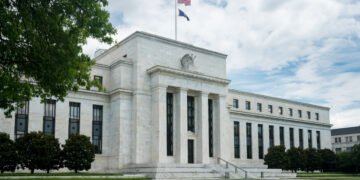
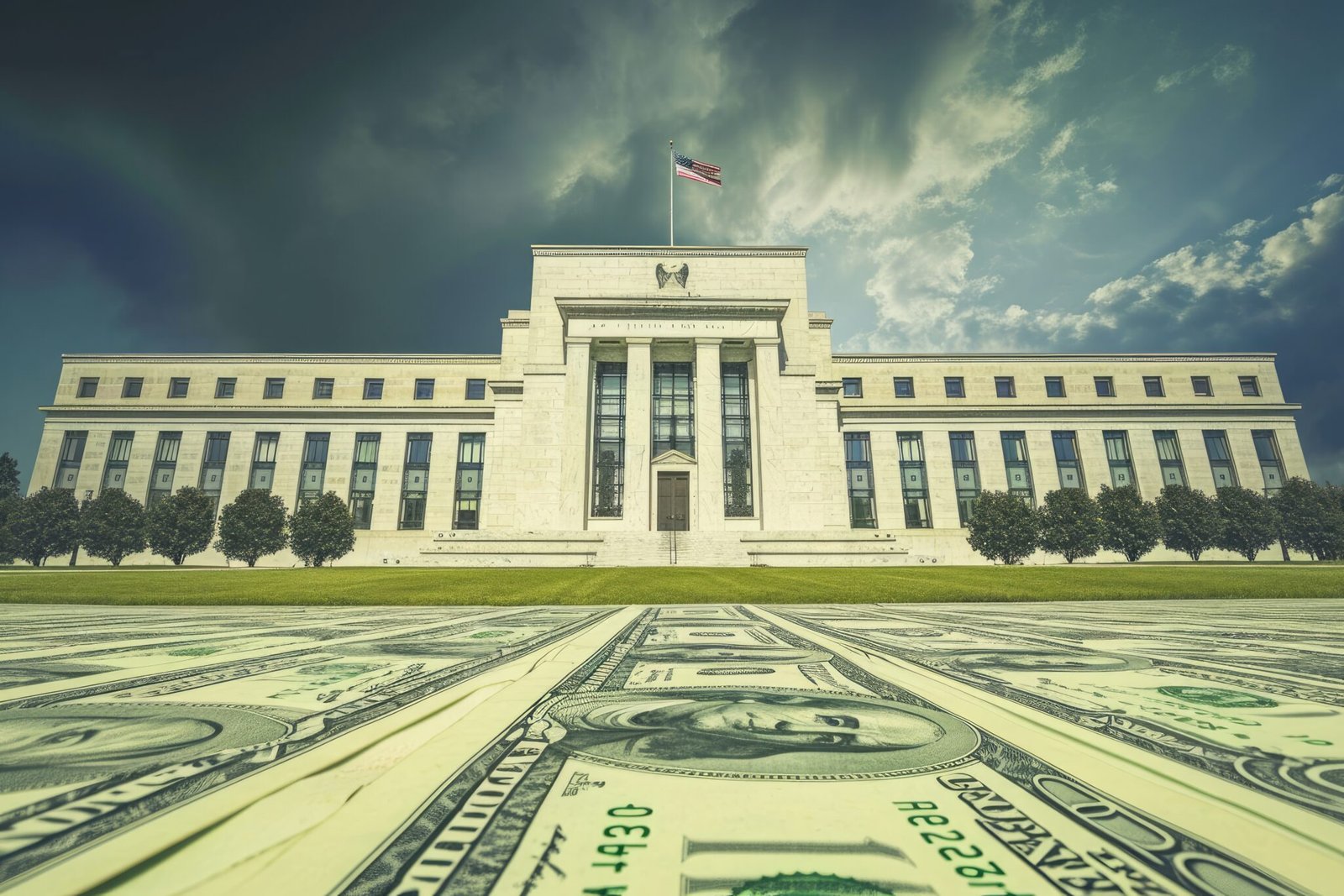
The Federal Reserve did something at the end of April that disappointed almost everyone hoping for cheaper money. It did nothing. The target range for the federal funds rate stayed at 3.50 to 3.75 percent, where it has sat while inflation refuses to fully cooperate, and the June meeting is shaping up to be more of the same. If you have been waiting for rates to fall before you got serious about your savings, the central bank just handed you a blunt message. Stop waiting. The boring opportunity sitting in front of you right now is better than the exciting one you keep imagining.
That is worth sitting with, because moments like this quietly separate the people who build wealth from the people who only talk about it.
Cash that finally pays you something
For most of the 2010s, holding cash was a slow leak. Savings accounts paid close to nothing, money market funds paid even less, and the only way to earn a real return was to reach for risk. A whole generation learned the wrong lesson from that decade, which was that cash is trash and there is no penalty for spending today instead of saving for tomorrow. That lesson has become expensive.
With the Fed holding its policy rate in the high 3s, the yields on safe and liquid places to park money have followed it up. Plenty of money market funds, high yield savings accounts, and short term Treasury bills are paying yields in that same neighborhood. Set that against inflation, which recent Fed projections put at roughly 2.7 to 2.8 percent for core PCE this year, and something rare has happened. For the first time in a long while, your emergency fund can earn a small positive return after inflation instead of quietly shrinking in the background.
Why does this matter so much? Because an emergency fund is not an investment, it is insurance. Its job is to be boring and available the day your car dies or your hours get cut. For years, savers felt punished for keeping that cushion, and many let it wither. Today the math is friendlier. You can hold three to six months of expenses in something safe, watch it earn a respectable yield, and stop feeling like you are leaving money on the table. The cushion that lets you sleep at night is no longer the cushion that costs you the most.
The account matters more than the pick
Here is where the timing gets even better. While rates have stayed high, the IRS quietly raised the amount you are allowed to shelter from taxes. For 2026, the limit on 401(k) salary deferrals rose to 24,500 dollars, up from 23,500 the year before. The IRA limit rose to 7,500 dollars, up from 7,000. If you are 50 or older, you can add a catch up contribution that brings the 401(k) total to 32,500 dollars, and savers aged 60 through 63 can use an even larger catch up under the SECURE 2.0 rules.
Most people obsess over which fund to buy and ignore the container they buy it in. That is backward. The single biggest lever the average investor controls is not stock picking, it is how much money they route into tax advantaged accounts and how early they do it. A dollar inside a Roth IRA or a 401(k) compounds without the yearly drag of taxes on dividends and gains. A traditional account lowers your tax bill this year, a Roth lets the growth come out untaxed later, and both shield you from the annual friction that quietly erodes a regular brokerage account. Over decades, that tax shield can be worth more than any clever trade you will ever make. The accounts are the strategy. The investments inside them are details.
So if you want one concrete move that fits this exact moment, it is not glamorous. Raise your contribution rate to capture the new higher limits, or at the very least make sure you are capturing every dollar of your employer match, which is the closest thing to free money that exists in personal finance. Turning down a full match is leaving part of your own paycheck on the table. Start with the match, then stretch toward the limit as your budget allows, and let next year do the rest.
Why compounding does the quiet heavy lifting
Once the money is in the right account, time takes over. There is a piece of mental math worth memorizing called the Rule of 72. Divide 72 by your annual rate of return and you get the rough number of years it takes your money to double. At a 7 percent return, money doubles in about ten years. At 3 percent, it takes closer to 24. That gap is the entire argument for not letting good money sit idle longer than it needs to.
Run it forward and the effect is almost unfair. Money that doubles every decade does not grow in a straight line, it grows in leaps that get larger each time. The first double feels slow. The fourth and fifth doubles are where ordinary savers turn into people with real wealth, and those late doubles only happen if the early dollars were invested early. This is why a 25 year old who invests modestly often ends up ahead of a 40 year old who invests aggressively. Time in the market is doing work that no amount of cleverness can replicate.
The market does not hand out those returns smoothly, of course. It delivers them through stretches that test your nerve, including years that are frankly unpleasant. Historically, a diversified basket of US stocks has produced something in the neighborhood of 7 percent a year after inflation over long periods, but it has done so while lurching through booms, panics, and the occasional lost decade. The return is real. The smoothness is a myth.
The behavior is the strategy
Which brings us to the part nobody likes to hear. The biggest threat to your returns is usually the person in the mirror. Investors routinely underperform the very funds they own, because they buy after prices have risen and sell after prices have fallen, doing the exact opposite of what the math rewards. The headlines do not help. There is always a reason to wait, a Fed meeting to fear, a forecast to spook you.
The antidote is unglamorous and it works. Automate your contributions so the decision is made once instead of every month. Keep your emergency cash separate from your invested money so you are never forced to sell at the wrong time. Pick an asset mix you can live with through a bad year, then leave it mostly alone. The plain truth is that a mediocre plan followed consistently beats a brilliant plan you abandon the first time markets get scary.
So what is the Fed really telling you by holding rates steady? That the environment you have is the one to act in, not the one to wait out. Your safe cash earns more than it has in years. The tax shelters just got bigger. Compounding works the same as it always has. None of that depends on the next rate decision, the next headline, or the next prediction that turns out to be wrong. The boring moves are still the ones that build wealth, and right now they happen to pay better than usual.
____________________________________________________________________________________________________
This article is written for educational and informational purposes only and does not constitute financial or legal advice. The views and analytical frameworks presented draw on publicly available information and reported commentary from industry participants. Readers are encouraged to consult primary sources and form their own informed views on these complex topics.