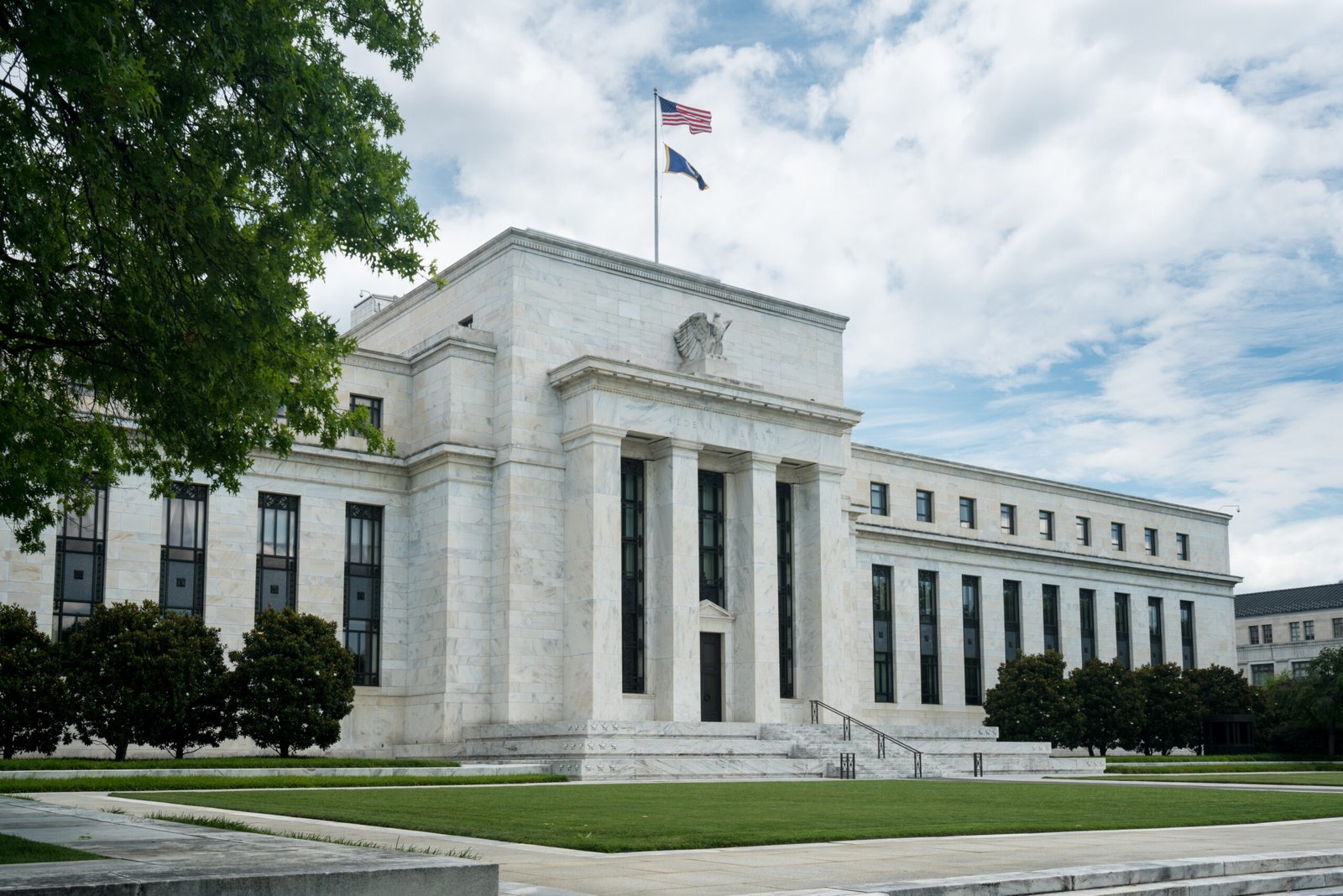
On September 16, the Federal Reserve raised its benchmark rate by a quarter of a percentage point, to a range of 3.75% to 4%. It was the first increase since 2023, and the first time in more than three years the Fed moved up instead of down. Headlines treated it like a weather alert. Your brokerage app probably did too. But a rate hike is not a mystery event, and it is not a verdict on your portfolio. It is a price change in the cost of money, and once you understand how that price flows through to stocks, bonds, cash and debt, the noise gets a lot easier to filter.
What the Fed actually controls
The Fed sets a short-term target rate, the one banks use when they lend to each other overnight. That is the only dial it turns directly. Everything else you care about, from your savings account yield to your mortgage rate to the price of a ten-year Treasury, is set by markets and lenders reacting to that dial and to what they expect the Fed to do next.
That last part matters more than most people realize. Markets are forward-looking. By the time the Fed announced its move, investors had spent weeks guessing at it and pricing it in. News reports from the day said the new chair, Kevin Warsh, vowed a timelier return to the Fed’s 2% inflation target. Notice what that sentence is really about. It is about the path ahead, not the quarter point. A hike that surprises no one barely moves anything. A hint about the next three meetings can move everything.
Why bond prices fall when rates rise
This is the single most useful piece of financial math a self-directed investor can own, and it takes thirty seconds to learn. A bond pays a fixed interest rate. If new bonds start paying more, your older, lower-paying bond becomes less attractive, so its market price drops until its effective yield matches what the market now offers. Rates up, existing bond prices down. Always.
How far prices fall depends on a measure called duration, which is roughly how sensitive a bond or bond fund is to a one percentage point change in rates. As a rule of thumb, a fund with a duration of six years would be expected to lose about 6% of its value if rates rose a full point, all else equal. A fund with a duration of two would lose about 2%. That is why a short-term Treasury fund and a long-term Treasury fund behave so differently when rates move.
The last time rates climbed hard, in 2022, this lesson was expensive. The Fed began raising rates in March of that year, and the broad U.S. bond market, which many investors hold as the safe part of a portfolio, lost roughly 13% over the calendar year. Safe does not mean stable. It means a lower expected risk than stocks, and the risk it does carry is mostly interest rate risk. If you own a bond fund and have never checked its duration, check it. The number is on the fund’s fact sheet, and it tells you more about how the fund will behave than the word bond does.
There is also a quiet upside that gets less airtime. When rates rise, the bond fund you own starts reinvesting its income at higher yields. Over a long enough holding period, that can offset the early price drop. The pain comes first and the compensation comes later, which is a poor fit for anyone who panics at the pain.
What it means for cash, loans and stocks
For savers, higher short-term rates generally mean better yields on money market funds, Treasury bills and high-yield savings accounts, although banks tend to pass those increases along slowly. If you keep an emergency fund, this is a good time to look at what yield it is actually earning. Leaving it in an account that pays almost nothing is a choice, and it is worth making on purpose.
For borrowers, the effect is the mirror image. Credit card rates and other variable rate debt tend to follow the Fed quickly. Fixed rate mortgages are priced off longer-term bond yields rather than the overnight rate, so they respond to expectations about inflation and future Fed policy, not directly to the hike itself. That is why mortgage rates can fall on a day the Fed raises, or rise on a day it holds.
Stocks are the hardest to pin down, and anyone who tells you otherwise is guessing. Higher rates raise the discount rate investors apply to future profits, which tends to weigh most on companies whose earnings sit far in the future. Higher rates also make cash and bonds more competitive alternatives, and they raise borrowing costs for businesses. Those are real pressures. But stocks also respond to earnings, growth, and the reason rates are rising in the first place. A hike driven by a strong economy reads very differently from one driven by a fear of runaway prices. CNBC’s market coverage on September 29 described a losing September for the S&P 500. One bad month, in the same stretch as a policy shift, tells you very little about what comes next.
The behavioral trap
Here is where money is actually lost. Not in the rate hike, but in the reaction to it. Behavioral finance has documented for decades that investors feel losses more sharply than equivalent gains, and that they tend to sell after declines and buy after rallies, which is the opposite of what the arithmetic rewards. A news cycle about rising rates is a perfect trigger. It feels urgent, it sounds technical, and it gives you a story that justifies doing something.
Ask a simpler question instead. Has anything changed about why you own what you own? If your stock holdings exist to fund a retirement twenty years away, a Fed meeting did not change your timeline. If your bond holdings exist to cover spending in the next two years, then you should care a great deal about duration, but that is a conversation about matching assets to time horizons, not about the Fed.
That framing is the heart of asset allocation. Money you need soon belongs in things that do not swing much. Money you will not touch for decades can absorb volatility in exchange for higher expected growth. A rate cycle tests whether you drew that line honestly. If a rate hike makes you feel sick, the issue may be that your portfolio is riskier, or more rate sensitive, than you thought when markets were calm. Better to learn that now, at a small scale, than during something worse.
The boring things that still work
While the Fed argues about inflation, the unglamorous levers stay in your hands. For 2026 the IRS set the 401(k) employee contribution limit at $24,500, up from $23,500 in 2025, and the IRA limit at $7,500, up from $7,000. Workers aged 50 and over can add a catch-up of $8,000 to a 401(k) in most plans, and those aged 60 through 63 can contribute up to $11,250 in catch-up money. Savers 50 and older can add $1,100 on top of the IRA limit. None of that depends on what the Fed does next, and the tax advantages of those accounts apply whether rates are 2% or 6%.
Consistent contributions also do something rate hikes cannot undo. When you invest on a regular schedule, falling prices mean each paycheck buys more shares, and rising prices mean you own shares that have grown. You do not need to guess which phase you are in. That is the whole point.
What to do with a move like this
Start by looking, not trading. Pull up your holdings and sort them by purpose. What is the emergency money, what is the next five years of spending, and what is the long game? Check the duration on any bond fund. Check the yield on your cash. Look at any variable rate debt, because paying down a credit card balance is a guaranteed return equal to its interest rate, and a rising rate environment makes that math better, not worse.
Then notice how you felt reading the headlines. If you felt calm, your plan probably fits you. If you felt a surge of urgency, that is information too, and it is cheaper to learn from a quarter point hike than from a crash.
The Fed will keep making decisions, and commentators will keep treating each one as destiny. Your job is much smaller and much more within your control. Know what you own, know why you own it, and make sure the answer does not change every time a press conference starts.
This article is written for educational and informational purposes only and does not constitute financial or legal advice. The views and analytical frameworks presented draw on publicly available information and reported commentary from industry participants. Readers are encouraged to consult primary sources and form their own informed views on these complex topics.